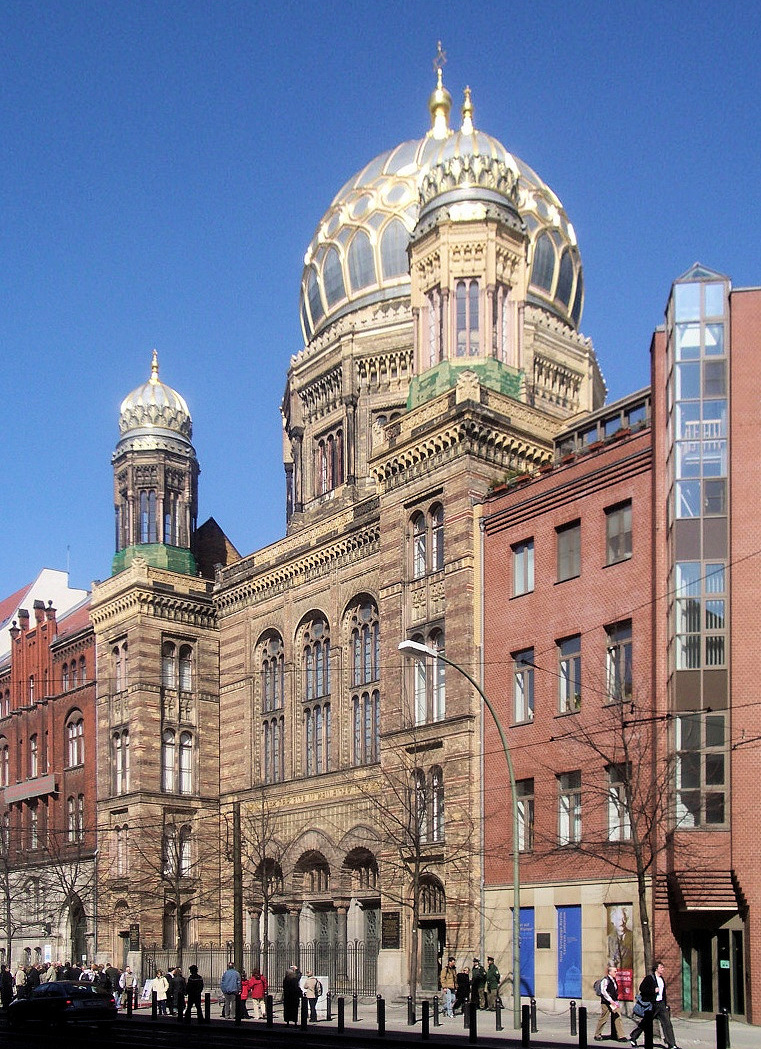
Berlin Jewish Kulturtage Canceled: Finance, Art Clash Leave Cultural Void
In a decision that has sent ripples through Germany's cultural landscape, Berlin's revered Jewish Kulturtage has been unexpectedly canceled for the first time in nearly three decades. The Jüdische Gemeinde zu Berlin, the Jewish Community of Berlin, announced the halt of the prestigious 29th annual festival, which was originally slated to run from August 27 to September 6. This surprising news has ignited a complex discussion, highlighting not only the difficult financial realities facing cultural institutions but also deep-seated internal conflicts over artistic independence and communal governance. The cancellation of this vital event, which last year attracted a record 35,000 guests, marks a significant blow to intercultural dialogue and Jewish visibility in the heart of Germany.
The Unprecedented Halt: Berlin's Jewish Kulturtage Silenced
For 28 years, the Jüdische Kulturtage Berlin has been a beacon of Jewish life and creativity, showcasing a rich tapestry of music, theater, literature, and visual arts. Its sudden discontinuation by the jüdische gemeinde abgesagt has left many bewildered, especially given the festival's growing success and its crucial role in fostering understanding and combating prejudice. The official explanation offered by the Jüdische Gemeinde cited the challenging financial situation of the state of Berlin, stating the cancellation was a "solidarity contribution" to help alleviate the city's budget by approximately €250,000.
This gesture, according to the community, is also intended to demonstrate good faith in ongoing fundamental discussions with the state of Berlin regarding subsidies from the state treaty. While the community insists on receiving its rightful subsidies for maintaining essential Jewish life in Berlin ("Pflicht"), they indicated a willingness to compromise on non-essential cultural events, or "Kür," like the Kulturtage, to show willingness to meet the state halfway. This framing suggests a delicate balancing act, where cultural programming, despite its public value, becomes a negotiable item in broader financial negotiations.
However, this public explanation quickly encountered skepticism, particularly from those intimately involved with the festival's operation. Many question whether the financial rationale tells the whole story, pointing to underlying tensions that may have been brewing behind the scenes for quite some time.
A Battle for Artistic Vision: Kranz vs. the Board
At the heart of the controversy lies a stark disagreement between the Jüdische Gemeinde's board and the festival's former long-time organizer, Martin Kranz. Kranz, who oversaw the Kulturtage for eleven years, openly blames the community board for the festival's demise. He told the "Berliner Zeitung" that his tenure involved working with four different community boards, but it was during the last year, under the leadership of Chairman Gideon Joffe, that significant issues arose.
Kranz emphatically stated that the Kulturtage was always understood as an "Intendantenfestival," meaning the artistic director must operate independently of political influence, even though the community remains ultimately responsible. This crucial principle, he claims, was respected until last year, when the board began to exert influence over the artistic program. "I made it clear that this was not possible," Kranz recounted. Following his refusal to compromise his artistic autonomy, communication ceased. Despite repeated attempts to engage, he received no response, leading to an untenable situation for an independent artistic director.
Kranz emphasized that events like the Jewish Kulturtage are not merely about concerts for community members. They are about projecting an international image, showcasing what it means to be Jewish, what "was once part of this country and could be again." He spoke of grand plans for this year, including collaborations with major institutions like the Berliner Festspiele, the Jüdisches Museum, and the Polish Cultural Institute – collaborations now irrevocably lost. The festival's record attendance of 35,000 guests the previous year underscores its broad appeal and success in connecting with a diverse public, making its cancellation an even greater loss.
Broader Implications: Navigating Jewish Life and Culture in Modern Germany
The cancellation of the Berlin Jewish Kulturtage, driven by a complex interplay of financial constraints and internal artistic disputes, serves as a stark reminder of the multifaceted challenges facing Jewish communities and cultural institutions in Germany today. While Berlin grapples with questions of funding and governance, other Jewish communities are contending with entirely different, yet equally pressing, issues. For instance, the Mannheim Jewish Community Cancels Fest Over Protest Fears, withdrawing from the "Meile der Religionen" due to serious security concerns and the fear of anti-Jewish protests. This situation in Mannheim, while distinct in its immediate cause, highlights a broader climate of vulnerability and the increasing necessity for heightened security measures around Jewish events.
The convergence of these distinct challenges, from financial and internal disputes in Berlin to external threats in Mannheim, paints a complex picture of modern Jewish life in Germany. It underscores the critical importance of secure funding mechanisms, robust governance structures, and unwavering support for artistic freedom. Jewish cultural events are not merely entertainment; they are vital platforms for education, remembrance, integration, and combating rising antisemitism. They project resilience, contribute to the national identity, and remind society of the invaluable contributions of Jewish culture. You can learn more about these broader trends and their impact on Jewish communities in Germany by reading about German Jewish Events Canceled: Safety & Funding Concerns.
Tips for Sustaining Cultural Festivals Amidst Challenges:
- Diversify Funding Streams: Relying solely on government subsidies or community funds can be precarious. Exploring private donations, corporate sponsorships, and crowdfunding can provide greater financial stability.
- Transparent Governance: Clear roles and responsibilities for artistic directors, executive boards, and community leaders can prevent internal conflicts and foster trust.
- Cultivate External Partnerships: Collaborating with other cultural institutions, museums, and international bodies can broaden reach, share resources, and enhance credibility.
- Artistic Independence Clauses: Formal agreements protecting the artistic director's autonomy are crucial for maintaining the integrity and vision of a cultural festival.
- Proactive Security Planning: For events facing potential threats, early engagement with law enforcement and comprehensive security assessments are non-negotiable.
The Future of Jewish Cultural Expression in Berlin and Beyond
The cancellation of the Jewish Kulturtage in Berlin represents more than just the loss of a series of performances; it's a void in Berlin's vibrant cultural calendar and a setback for the crucial work of promoting Jewish culture and dialogue. Martin Kranz's vision for a festival that speaks to an international audience, collaborates with leading institutions, and showcases the dynamism of contemporary Jewish life is a testament to the power of cultural diplomacy. Its absence diminishes Berlin's reputation as a global cultural hub and deprives countless individuals of meaningful engagement with Jewish heritage and creativity.
The path forward for the Kulturtage, and indeed for many Jewish cultural initiatives, will require careful introspection from all stakeholders. Can the Jüdische Gemeinde zu Berlin reconcile its internal governance with the demands of artistic independence? Will the state of Berlin recognize the profound value of such cultural endeavors beyond mere budgetary figures? The answer will determine whether this temporary hiatus becomes a permanent silence, or if the festival can re-emerge stronger, with renewed clarity of purpose and robust support.
In the wake of this cancellation, the cultural community, policymakers, and the public must advocate for sustainable models that protect artistic freedom and ensure the continued flourishing of diverse cultural expressions. The lessons learned from Berlin's Kulturtage saga, coupled with the security challenges highlighted by the Mannheim situation, call for a concerted effort to safeguard Jewish cultural life and ensure its enduring presence and influence in Germany.
The cancellation of the Berlin Jewish Kulturtage, a decision by the jüdische gemeinde abgesagt, underscores the delicate balance between financial realities, internal governance, and artistic integrity that shapes cultural institutions. While the immediate reasons for the cancellation are complex, its broader implications resonate deeply within Germany's Jewish community and beyond. It serves as a poignant reminder of the invaluable role such festivals play in fostering understanding, combating prejudice, and enriching society. The hope remains that Berlin's Jewish Kulturtage, in some form, will once again open its doors, allowing its powerful message of culture and dialogue to resonate far and wide.